Why Tenant Verification Matters for Karachi Landlords
Handing the keys of your home or flat to a stranger is a big step. Most tenancies go smoothly, but when they do not, the cost to the owner can be serious: unpaid rent, damage to the property, disputes that drag on, or a tenant who refuses to leave. In many cases the warning signs were there before the agreement was even signed. Tenant verification is the simple habit of checking who is moving in before they move in.
What Is Tenant Verification?
Tenant verification means confirming a prospective tenant's identity and basic background: that the CNIC is genuine and belongs to the person in front of you, that the contact details and current address are real, and that their stated occupation is believable. It is not about judging anyone. It is about making sure both sides start with honest information.
Why It Is Worth Doing
- It protects your property. A landlord who knows exactly who lives in the home is in a far better position if something goes wrong.
- It reduces payment problems. Knowing the tenant's occupation and current address makes it easier to judge whether the rent is affordable for them and to reach them if needed.
- It discourages bad actors. People with something to hide often avoid landlords who ask for proper documents.
- It creates a record. If a dispute reaches a lawyer or the authorities, you will have the tenant's details on file instead of a phone number and a first name.
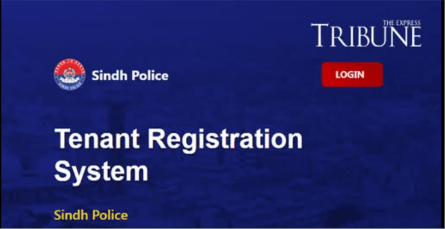
- It helps with local requirements. Authorities in many areas expect landlords to register tenant details. Check the current rules with your local police station or the relevant authority, as procedures can change.
What Information to Collect
Before you sign anything, ask the prospective tenant for:
- A clear copy of their CNIC (front and back) and a recent photograph
- Their full name and a working mobile number
- Their current residential address
- Their occupation and, where relevant, the workplace
- Details of everyone who will live in the property
Keep copies safely and do not share them with anyone who does not need them. A tenant's documents are private information and should be handled that way.
Simple Steps for a Safer Tenancy
- Meet in person. Never finalise a tenancy only over messages or through a middleman you do not know.
- Verify before you take money. Complete the checks first, then accept advance rent or a deposit.
- Use a written agreement. Spell out the rent, the deposit, the notice period and the rules of the property. Our guide on how to write a rent agreement in Pakistan explains what to include.
- Keep records. Save the signed agreement, tenant documents and a receipt for every payment.
- Do a handover check. Note the condition of the property, fittings and meter readings on the day the tenant moves in.
How ApnaGhar Can Help
ApnaGhar offers a CNIC-based tenant verification service. You submit the tenant's name, CNIC number, mobile number, occupation and current address, and you can upload a copy of the CNIC and a photograph. Our team reviews the request and, according to our service, shares the result with you on WhatsApp within 24 hours. You will need to be logged in to your ApnaGhar account to submit a request.
Verification does not replace common sense or a proper agreement, but it gives you a solid starting point before you hand over your property.
Final Thoughts
A few minutes of checking at the start can save months of stress later. Whether you use our service or do the checks yourself, make sure you know who is renting your home, put everything in writing, and keep your records in order. If you are new to renting out property, our blog has more landlord guides.
Renting Out Your Property?
Verify your tenant first, then list your property for free.
Verify a Tenant List Property